







Search Results for: altitude and climate
A Comprehensive Analysis of Yunnan Small-Bean Coffee Varieties, Growing Regions, Climate, and Altitude Distribution
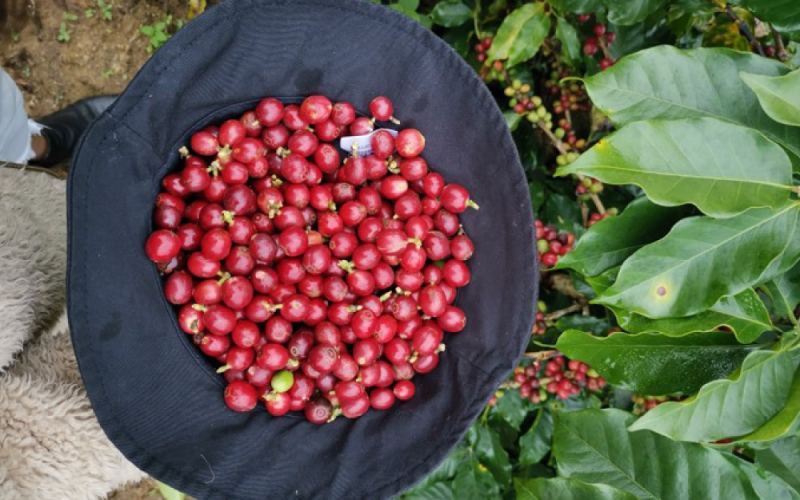
Yunnan, as China's core coffee-producing region, grows exclusively Arabica varieties, with Catimor dominating, while Typica, Bourbon, and Geisha are also cultivated in small quantities. These coffees are scattered across prefectures and cities such as Pu'er, Lincang, Baoshan, and Dehong, where high altitude, ample rainfall, and significant day-night temperature differences foster a unique flavor interwoven with nuts and caramel. This article will systematically review the geographical and climatic conditions, cultivation history, and variety characteristics of each producing region, while also introducing Front Street Coffee's practice of establishing its own estate in Lincang to grow Typica, and providing brewing suggestions for Yunnan beans, offering a comprehensive understanding of the varieties, origins, and altitude distribution of Yunnan specialty coffee. [more…]
What Is the "Terroir" Taste of Specialty Coffee? A Detailed Explanation of the Three Key Factors Affecting Coffee Flavor: Soil, Climate, and Altitude
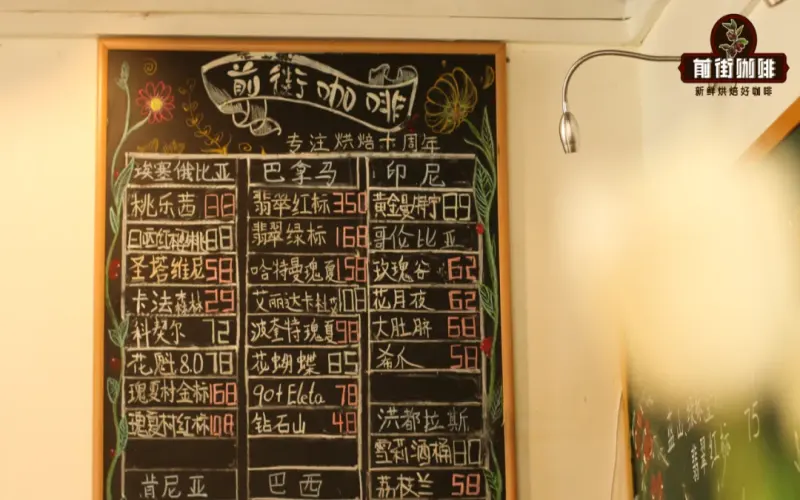
When we talk about specialty coffee, why do baristas always emphasize the region first? The answer lies in "the taste of terroir." Different regions, due to differences in their natural environments, give coffee beans completely distinct flavor characteristics—this is the power of terroir. In this article, Front Street Coffee will take you deeper into what the taste of terroir is, how it influences the direction of coffee's flavor, and the three key elements that determine coffee's taste—soil, climate, and altitude. At the same time, we will also clarify a common misconception: terroir is certainly important, but it is only the foundational condition of coffee's flavor, not the sole factor determining its final expression. [more…]
Detailed profile of Finca La Esperanza in Cauca, Colombia: an overview of five farms, growing elevations, and coffee varieties
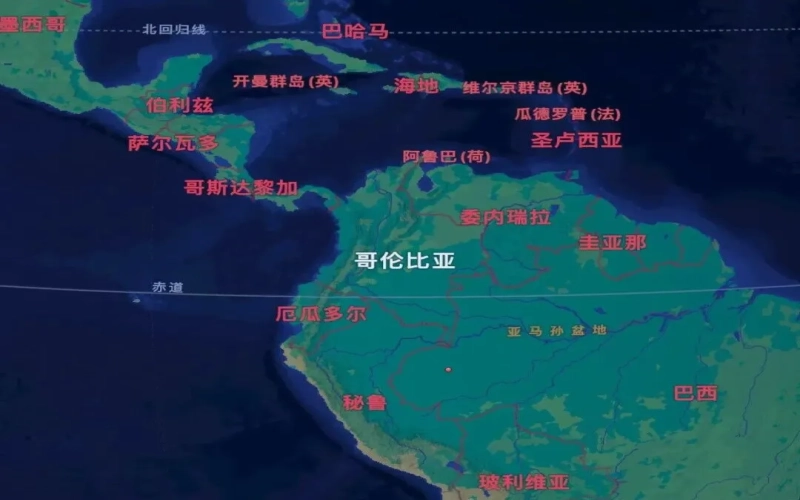
Colombia is the world's third-largest coffee producer, and coffee, along with flowers, gold, and emeralds, is known as one of its "four treasures." The high altitudes, volcanic soil, and diverse climates of the Andean region provide ideal conditions for coffee cultivation. Cauca Department is one of the main producing regions, where Hacienda La Esperanza has multiple farms. This article will outline the geographical and climatic background of Colombian coffee, with a focus on introducing the altitude, plots, area, and cultivated varieties of five farms under Hacienda La Esperanza: Potosí, Blue Mountain Hill, Margarita, Hacienda La Esperanza, and Hawaii. It will also mention the Herrera family's management legacy and related products from the Front Street brand. [more…]
The Hidden Coffee Gem of South America: Peru — From Andean Terroir to the Flavor Code of Cajamarca Washed Geisha
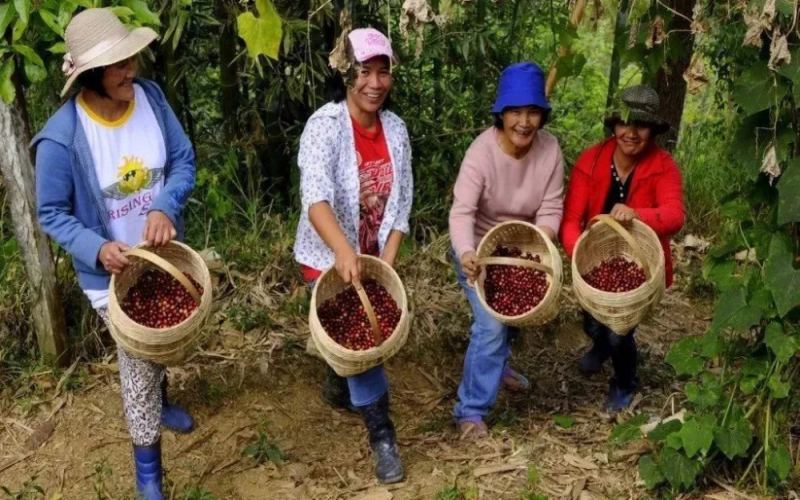
Among the many coffee-producing countries in South America, Peru is often overshadowed by the limelight of Colombia and Brazil, yet thanks to the high altitudes of the Andes, volcanic soil, and varied climate, it produces clean, mild specialty coffee with balanced acidity and sweetness. This article starts from Peru's geography and climate, sorts out the flavor differences among its three major producing regions—north, center, and south—analyzes the grading system centered on altitude and hardness as well as the washed processing method, and then steps into the northern specialty coffee stronghold of Cajamarca, where, through a washed Geisha sourced by Front Street Coffee, one can experience the captivating layers of white floral notes, prunes, and black tea. [more…]
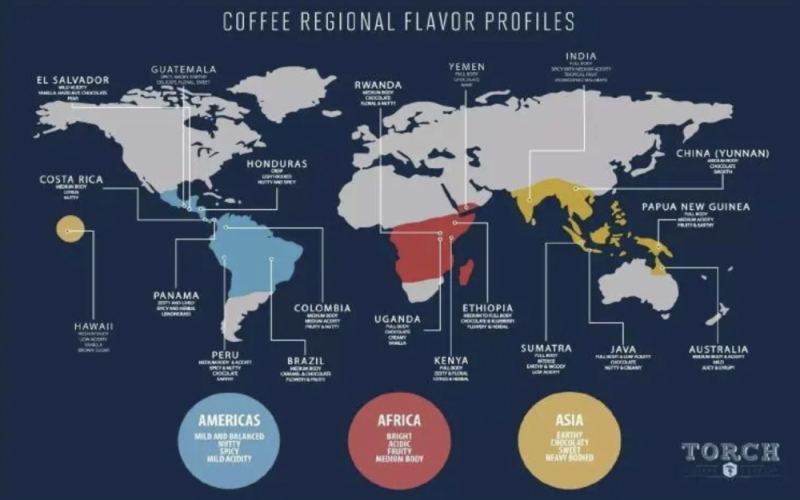
Global Coffee Bean Producing Regions Explained: An Overview of Coffee Belt Climate Characteristics and Flavor Differences Across Three Continents
The growth of coffee trees has strict requirements for the natural environment. The world's major coffee-producing regions are concentrated in a narrow strip between the Tropic of Cancer and the Tropic of Capricorn, known in the industry as the Coffee Belt. This region spans Africa, Central and South America, and Asia, with an average annual temperature above 20 degrees Celsius, warm weather year-round, frost-free winters, abundant sunshine, and ample rainfall, providing ideal growing conditions for coffee trees. Even coffee of the same variety, when grown in different countries or regions, can present completely different flavors in the cup—differences in altitude, climate, and soil give each bean its own unique regional imprint. Front Street Coffee has repeatedly verified this pattern in daily cupping sessions. Starting from the characteristics of producing regions across three continents, this article will sort out their respective flavor trends and representative coffee beans. [more…]
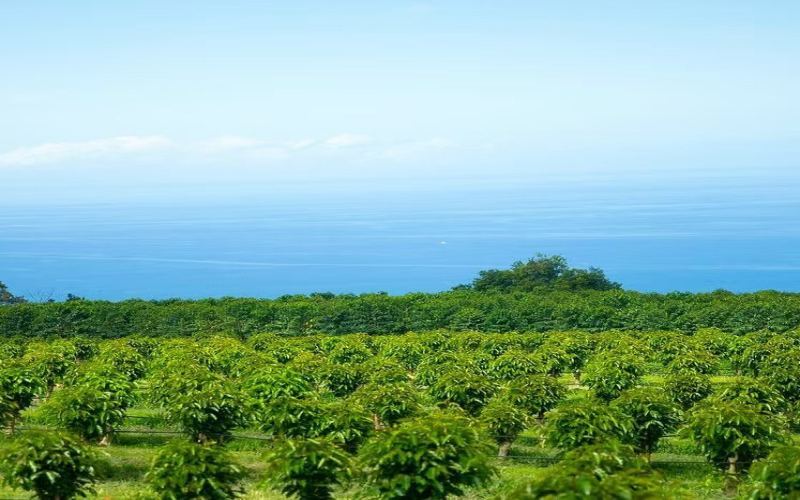
Low Altitude, Top-Tier Flavor: A Complete Guide to Hawaiian Kona Coffee Beans—Origin, Varieties, and Brewing
In the world of specialty coffee, high altitude is often regarded as synonymous with superior flavor, but Hawaiian Kona coffee breaks this convention. As the only coffee-producing region in a developed country, Hawaii, with its unique island climate, fertile volcanic soil, and meticulous field management, cultivates Kona coffee, hailed as "the world's most perfect coffee bean." Its beans are plump, with balanced acidity, a mixed aroma of cinnamon spice and fruit, a smooth mouthfeel, and a long finish. This article will systematically review the cultivation history of Hawaiian coffee, the characteristics of each producing region, the traits of the Typica variety, the washed processing method, the Kona bean grading system, and the roasting and brewing parameters for Queen Estate Kona beans recommended by Front Street Coffee, taking you through a comprehensive understanding of the unique charm of this low-altitude coffee queen. [more…]
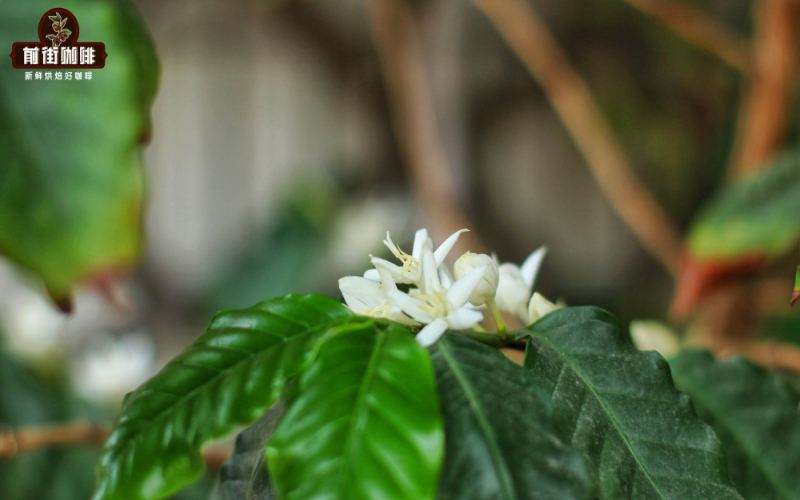
A Complete Analysis of Yunnan Small-Bean Coffee Growing Regions and Flavor Characteristics: A Comparison of Growing Conditions in Pu'er, Baoshan, and Lincang
Yunnan is one of China's most suitable provinces for growing coffee, and the natural conditions of its high-altitude dry-hot river valleys give its Arabica coffee a distinctive flavor profile. Pu'er, Baoshan, and Lincang, as the three core production regions, each display different cupping characteristics due to differences in climate, altitude, and variety. Front Street Coffee continues to explore the quality potential of Yunnan coffee through on-site cupping and its own estate cultivation. This article will systematically outline the basics of Yunnan Arabica coffee from the perspectives of origin environment, flavor and mouthfeel, and variety selection, and share Front Street's cultivation practices and brewing suggestions in the Yunnan production region. [more…]

Hawaiian Kona Coffee Bean Flavor Characteristics and Origins: Why a Low-Altitude Region Became a Specialty Coffee Legend
Altitude is often regarded as an important yardstick for measuring coffee quality, but Hawaiian Kona coffee breaks this conventional wisdom with its actual performance. As the only coffee-producing region located in a developed country, Hawaii relies on its unique island climate, fertile volcanic soil, and meticulous manual management to cultivate exceptional Kona coffee under conditions where the altitude is not particularly prominent. In this article, Front Street Coffee will take you through the introduction history of Kona coffee, help you understand the distribution of Hawaii's various producing regions, analyze the characteristics of the Typica variety, and explain in detail Kona coffee's flavor characteristics, grading system, processing methods, and brewing suggestions, exploring together the charm of this coffee known as the "Queen of Low-Altitude Coffee." [more…]
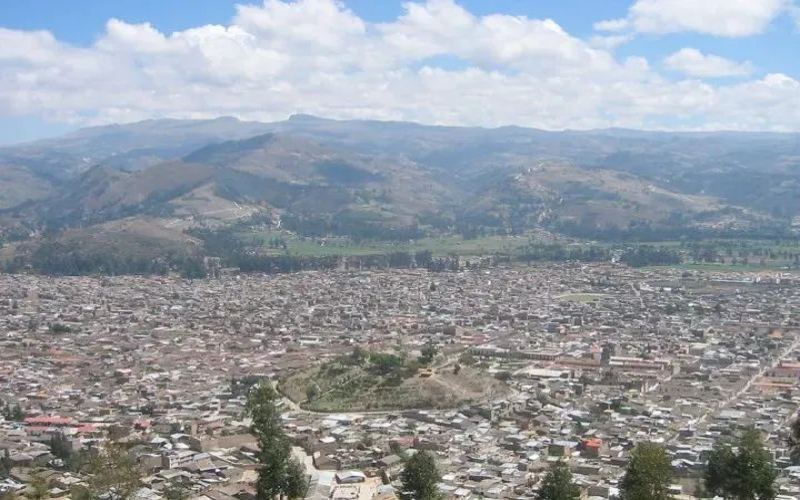
Flavor Analysis of Peruvian Coffee, South America's Low-Key Producer: From Andean Terroir to Green Bean Grading System
On the coffee map of South America, the brilliance of Brazil and Colombia often causes another origin with equally outstanding conditions to be overlooked—Peru. With the high-altitude terrain of the Andes, volcanic soils, and diverse climates, Peru has not only joined the ranks of the world's important coffee suppliers but has also become one of the largest producers of organic coffee. This article will begin with Peru's coffee-growing environment, sorting out the causes behind its flavor characteristics, surveying the representative areas of its three major producing regions in the north, center, and south, and introducing Hacienda Pedregal's impressive performance in COE competitions. At the same time, the article will also explain in detail how Peruvian coffee beans are graded, helping readers understand the relationship between altitude, bean hardness, and quality. To gain a deeper understanding of coffee origin information, you may as well follow Front Street's perspective and explore. [more…]
An Analysis of the Geography and Climate Conditions of Jamaica Blue Mountain Coffee's Origin: From Altitude to Flavor Characteristics
The unique position Jamaican Blue Mountain Coffee holds in the global coffee landscape is inseparable from the geographical environment and climatic conditions of its origin. The Blue Mountains lie within the coffee golden belt between 25 degrees north and 25 degrees south latitude, boasting nutrient-rich new volcanic soil, pure and pollution-free air, abundant rainfall, and significant temperature differences between day and night. Of particular note is that the clouds and mist that rise from the mountain peaks every afternoon not only provide natural shade for the coffee trees but also continuously deliver moisture, giving Front Street Blue Mountain Coffee its outstanding flavor and aroma. Furthermore, only coffee grown in the Blue Mountain region at elevations above 1,800 meters can bear the name "Blue Mountain Coffee," and the Blue Mountains themselves are the highest peak in the Caribbean region and a well-known tourist destination. [more…]
An Analysis of Yunnan Coffee's Three Core Producing Regions: Flavor Profiles and Growing Conditions of Pu'er, Baoshan, and Lincang
Yunnan is a coffee-producing region that cannot be overlooked on China's coffee map, and its three major producing areas—Pu'er, Baoshan, and Lincang—each have their own distinctive characteristics. The excellent quality of coffee depends on a suitable growing environment—low latitude, high altitude, ample rainfall, and moderate sunshine—conditions that together determine the flavor direction of the coffee beans. Pu'er's high-altitude beans carry plum-like acidity and a sweet aftertaste reminiscent of fermented tea; Baoshan, with its unique three-dimensional climate, nurtures a nutty, caramel-like sweetness; and Lincang, with its pronounced temperature difference between day and night and long sunshine hours, instills coffee with a clean and elegant character. Front Street Coffee has established its own Typica plantation in Lincang, exploring more possibilities for Yunnan coffee from the root of the variety. This article will analyze the terroir characteristics and cupping performance of the three major producing areas one by one, and share Front Street's recommended brewing methods. [more…]
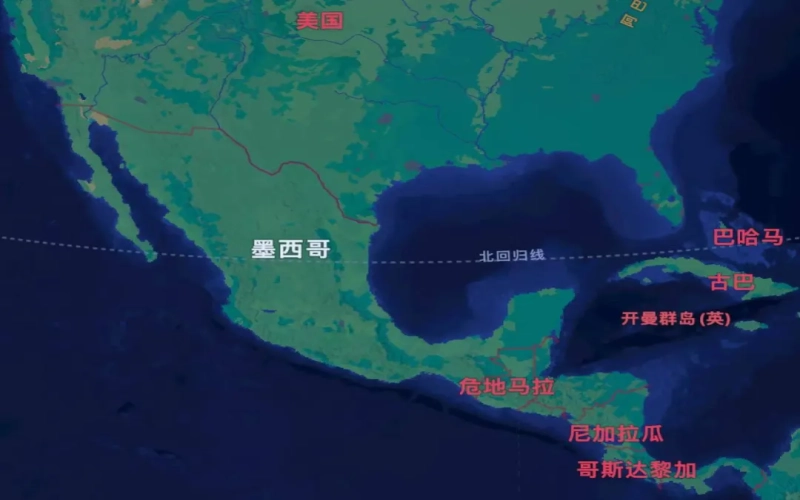
A Complete Analysis of Mexico's Coffee Regions: Varieties and Terroir from Chiapas to Puebla
When people think of coffee-producing countries in North America, Guatemala, Panama, Costa Rica, or Jamaica often come to mind first, while Mexico remains relatively lesser-known—yet in recent years it has performed remarkably well. This third-largest country in Latin America boasts complex terrain and climate, where volcanic soil and high altitudes provide ideal conditions for coffee cultivation. Of the nation's more than 500,000 producers, the vast majority are smallholders with less than three hectares of land, and cultivation is concentrated in sixteen southern states, with four—Chiapas, Oaxaca, Veracruz, and Puebla—accounting for over ninety percent of total output. This article will guide you through Mexico's geography and climate, the terroir characteristics of its four major producing regions, and principal varieties such as Typica, Bourbon, Caturra, Pacamara, and Geisha, with a special introduction to Garnica, developed by the Mexican Coffee Institute. Front Street Coffee will also share related bean recommendations in this article. [more…]
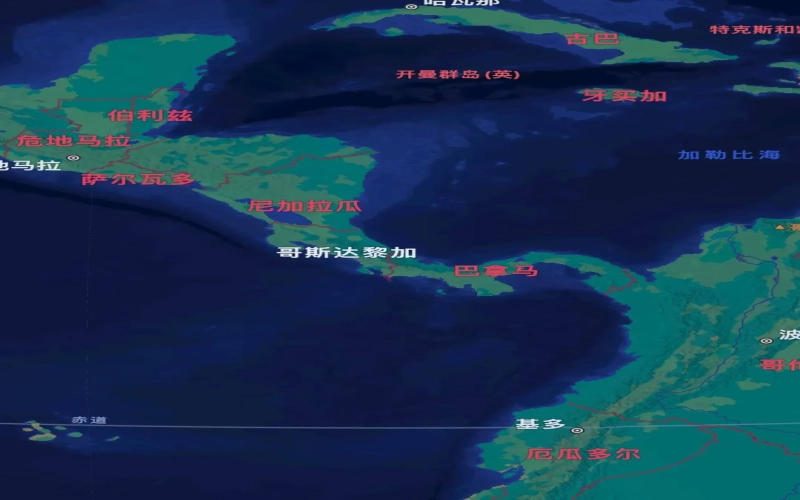
A Beginner's Guide to Coffee Beans from Costa Rica's Tarrazú Region: Flavor Analysis of Washed Caturra and Catuai
Costa Rica, with its得天独厚 volcanic soil and microclimates, has become an important representative of Central American specialty coffee. Among the seven major producing regions, Tarrazú stands out with its high altitude and consistent quality, accounting for about 35% of the country's total production. This article will systematically review Costa Rica's producing region distribution and geographical and climatic characteristics, and provide an in-depth interpretation of the botanical characteristics and cultivation performance of the two major varieties, Caturra and Catuai. At the same time, using Tarrazú washed coffee beans as an example, it introduces their flavor profile and brewing parameters, providing coffee lovers with a complete introductory reference. [more…]
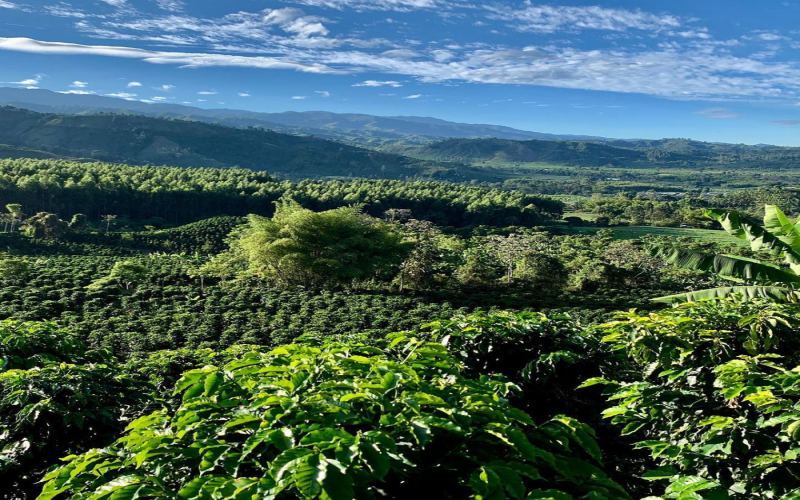
Starbucks Colombia Coffee Bean Origin Story and a Comprehensive Comparison of Huila Region Flavor Characteristics
Colombia occupies a significant place in the specialty coffee landscape thanks to its natural advantages of low latitude, high altitude, and volcanic soil. Its flavor is rich and balanced, often with nutty and cocoa notes, and Starbucks'首选 coffee became a core product in 1990 using Colombian beans. In this article, Front Street Coffee takes you through the growing conditions and main producing regions of Colombian coffee, and compares the flavor differences of Huila, Cauca, and other areas one by one, including detailed characteristics of several beans such as Pink Bourbon Isabella, Washed Huila, Anaerobic Natural Flower Moon Night, and Cauca Sakura, helping coffee lovers gain a comprehensive understanding of the diversity of Colombian coffee. [more…]
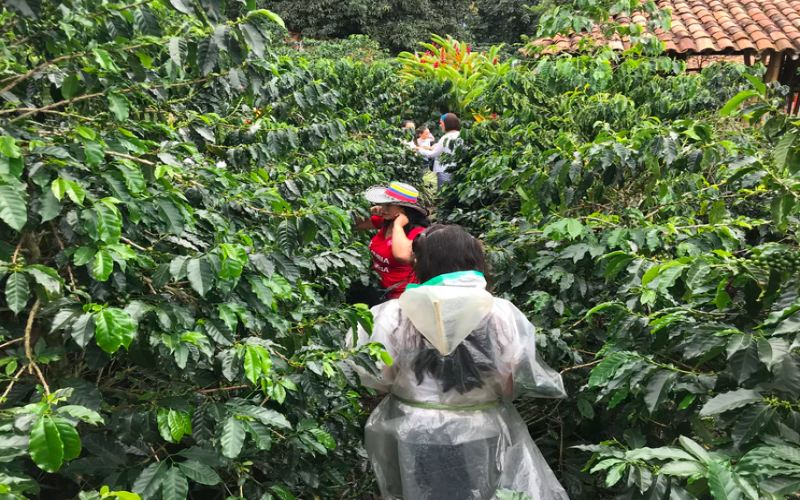
An Analysis of Coffee Cultivation Altitudes in Colombia: How High Altitude Shapes the Premium Flavor of Coffee Beans
Colombia, as the world's second-largest coffee-producing country, is renowned for its washed Arabica coffee, which has a soft, sweet flavor with cocoa notes. Coffee quality is deeply influenced by factors such as altitude, soil, and climate, with growing altitude being particularly critical. This article will explore the growing altitude range of Colombian coffee in depth, analyze how high altitude affects the flavor and quality of coffee beans, and introduce the characteristics of specialty regions such as Huila, Cauca, and Nariño, as well as Front Street Coffee's recommended Colombian coffee products and brewing suggestions. [more…]
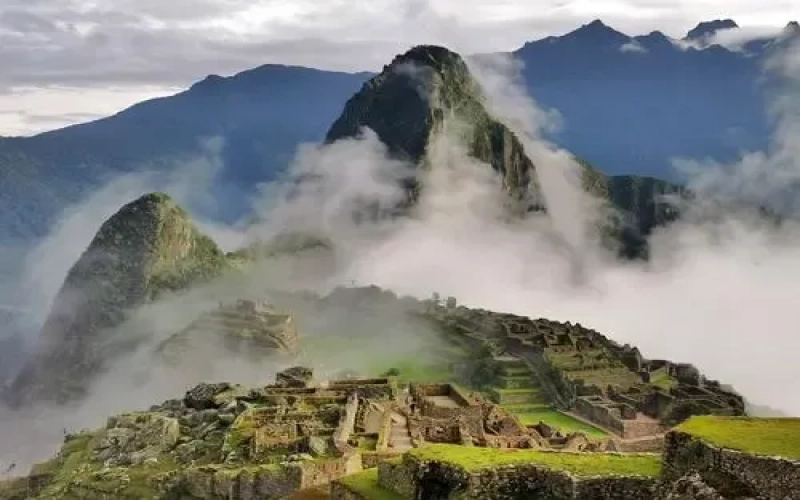
Exploring Peru's Cajamarca Coffee Region: Smallholder Specialty Coffee in the Andes and the Story of a COE Champion
Nestled in the embrace of the South American Andes, Peru may not be as high-profile as Colombia and Brazil, yet thanks to its volcanic soil, tropical mountain climate, and high-altitude growing conditions, it produces coffee beans of outstanding quality. Among its regions, the northern Cajamarca region has performed particularly impressively in recent years, earning renown not only for its smallholder intercropping model and sustainable farming practices, but also for its frequent appearances on the COE list. This article will take you deep into the Cajamarca growing region's geographical environment, historical context, and cultivation characteristics, and analyze the secrets behind the success of the 2023 COE champion farm, Yoniser Mego Silva. [more…]
Analysis of the Variety Characteristics and Main Producing Region Flavors of Yunnan Small-Bean Coffee, with a Discussion of Front Street Coffee's Typica Cultivation Practices
Yunnan small-bean coffee has undergone a transformation in recent years from instant-coffee raw material to specialty beans. The cultivated varieties are mainly Catimor and Typica among Arabica, with some estates also trying Bourbon and Geisha. Production areas are concentrated in Pu'er, Lincang, Baoshan, Dehong, and other places, where high altitude, large temperature differences, and ample sunshine create unique flavors. Front Street Coffee established its own estate in Lincang in 2013, planting the ancient Typica variety and launching a number of Yunnan coffee products. This article reviews the climate conditions, variety differences, and brewing suggestions of each production area to help coffee lovers gain a more comprehensive understanding of the current situation and potential of Yunnan coffee. [more…]
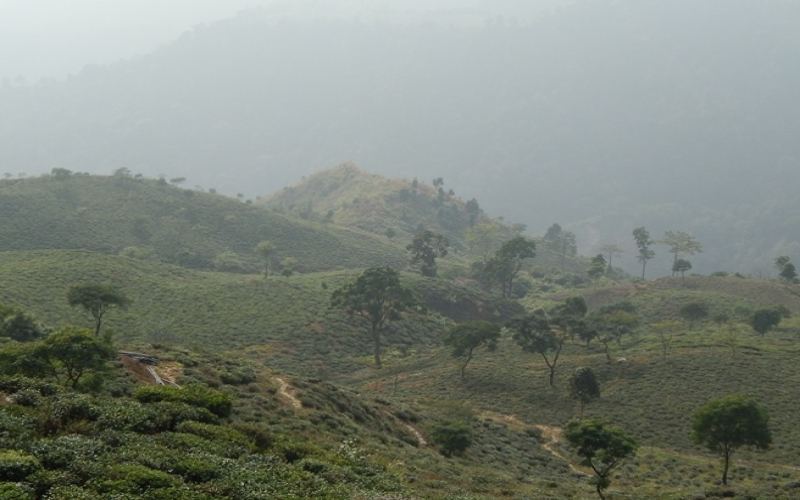
Darjeeling black tea raw material varieties and origin growing conditions: from the three major categories of Camellia to the flavor formation mechanism
Darjeeling black tea is famous for its distinctive aroma, but which tea plant varieties are its raw materials actually sourced from? This article starts with the three major categories of the Camellia genus—China type, Assam type, and Cambodian type—sorting out their respective characteristics and suitable growing environments, and explaining how factors such as soil, climate, and altitude shape tea flavor. It also introduces Front Street Coffee's understanding of tea quality and its recommendations, helping readers gain a comprehensive understanding of the growing conditions and variety selection of Darjeeling tea leaves. [more…]
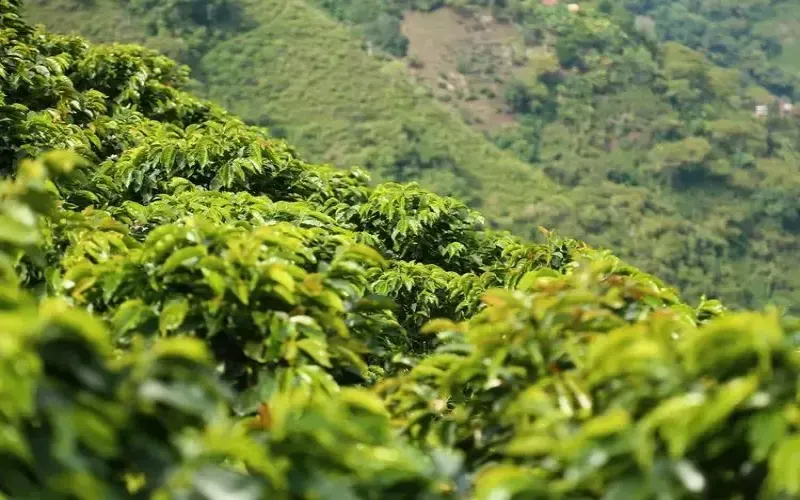
The Terroir and Grading Standards of Colombian Coffee: From the Andes Mountains to the Huila Region
Colombia is the world's third-largest coffee exporter. Thanks to the high altitudes of the Andes, volcanic-rich soil, and diverse climates, it produces Arabica coffee of consistently high and balanced quality. This article will introduce you to the distribution of Colombia's coffee-growing regions, the terroir advantages of Huila Province, and the Excelso grading standard for export-grade green beans. It will also cover the flavor profile of the Huila Caturra washed beans in Front Street Coffee's everyday drinking series, so you can experience the distinctive chocolate notes and bright fruity acidity of Colombian coffee. [more…]
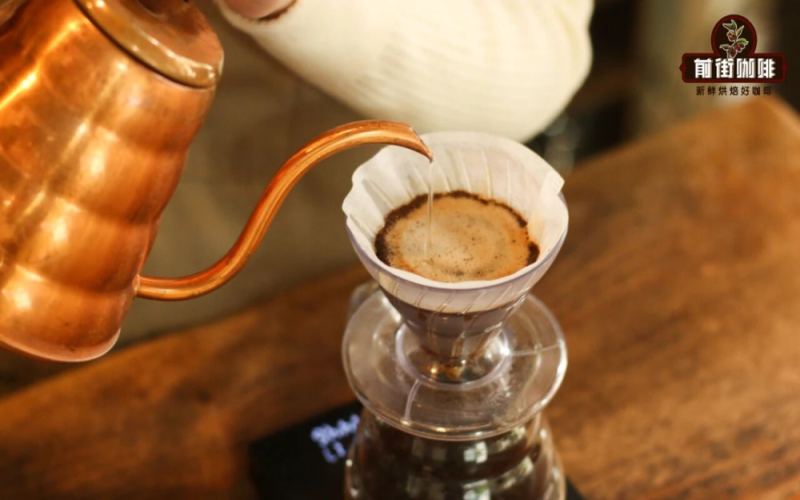
Yirgacheffe Washed G1 Coffee Beans: A Full Analysis of Origin Environment, Altitude, Climate, and Flavor Characteristics
Yirgacheffe is one of Ethiopia's most recognizable coffee regions, known for its jasmine aroma, citric acidity, and tea-like finish. This article systematically lays out the complete picture of washed Yirgacheffe G1 coffee beans, from the geographical environment, climate and altitude, and cultivation methods to the introduction of washed processing technology. The article also presents Front Street Coffee's washed Yirgacheffe series, including Gudingding and Konga Red Cherry, and provides a detailed explanation of the high-altitude heirloom coffee from the Kochere sub-region along with its brewing parameters. It is suitable for coffee enthusiasts who want to gain a deeper understanding of the source of Yirgacheffe's flavor and how to choose among them. [more…]